Saturday, 15 November 2014

Italy - Botanical Garden (Orto Botanico), Padua


The world's first botanical garden was created in Padua in 1545. It still preserves its original layout – a circular central plot, symbolizing the world, surrounded by a ring of water. Other elements were added later, some architectural (ornamental entrances and balustrades) and some practical (pumping installations and greenhouses). It continues to serve its original purpose as a centre for scientific research.

Belgium - The Four Lifts on the Canal du Centre and their Environs, La Louvière and Le Roeulx (Hainaut)


The four hydraulic boat-lifts on this short stretch of the historic Canal du Centre are industrial monuments of the highest quality. Together with the canal itself and its associated structures, they constitute a remarkably well-preserved and complete example of a late-19th-century industrial landscape. Of the eight hydraulic boat-lifts built at the end of the 19th and beginning of the 20th century, the only ones in the world which still exist in their original working condition are these four lifts on the Canal du Centre.

Algeria - Kasbah of Algiers


The Kasbah is a unique kind of medina, or Islamic city. It stands in one of the finest coastal sites on the Mediterranean, overlooking the islands where a Carthaginian trading-post was established in the 4th century BC. There are the remains of the citadel, old mosques and Ottoman-style palaces as well as the remains of a traditional urban structure associated with a deep-rooted sense of community.

Thursday, 9 October 2014

Malta - City of Valletta


The capital of Malta is inextricably linked to the history of the military and charitable Order of St John of Jerusalem. It was ruled successively by the Phoenicians, Greeks, Carthaginians, Romans, Byzantines, Arabs and the Order of the Knights of St John. Valletta’s 320 monuments, all within an area of 55 ha, make it one of the most concentrated historic areas in the world.

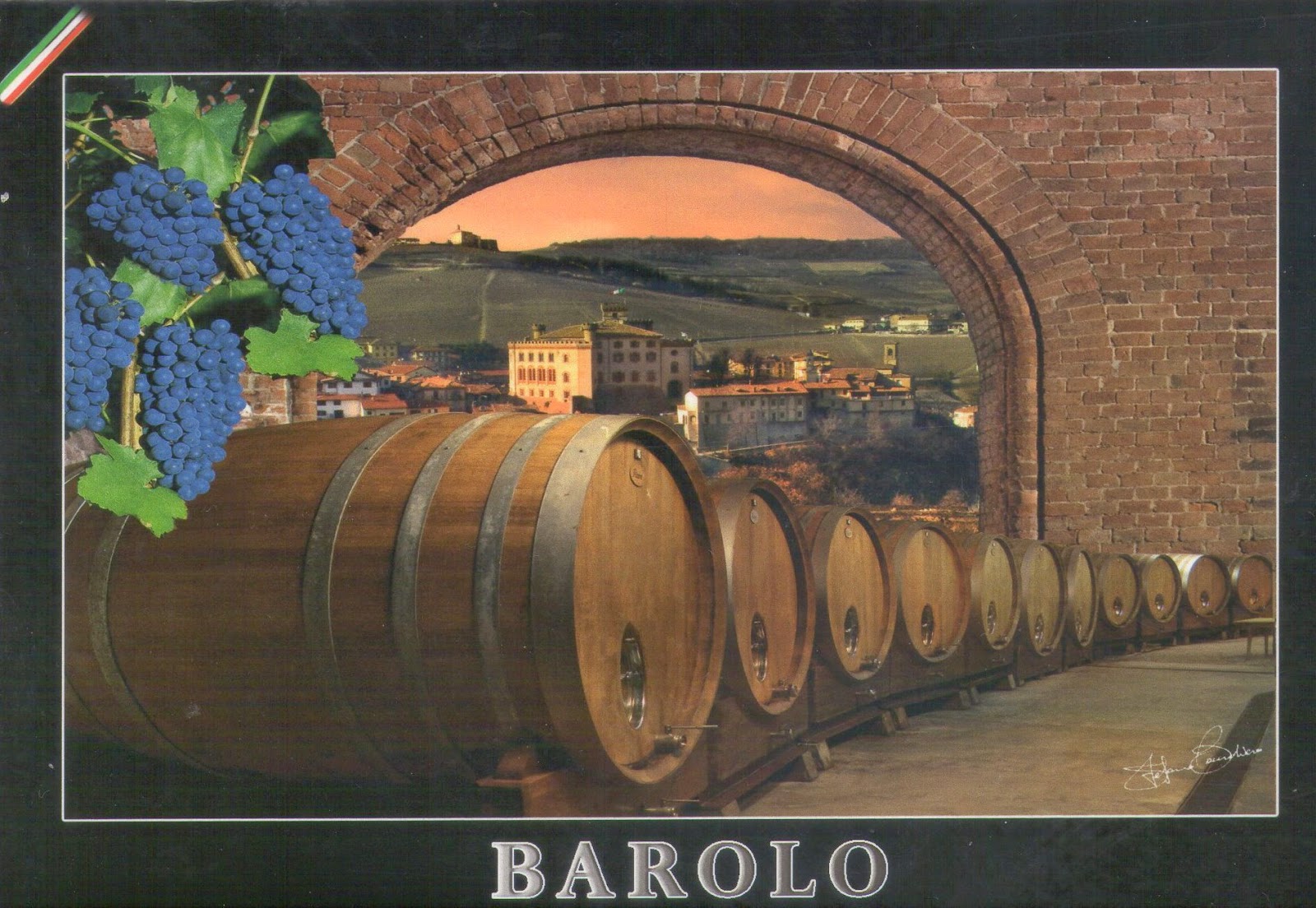
Italy - Vineyard Landscape of Piedmont: Langhe-Roero and Monferrato


This landscape covers five distinct wine-growing areas with outstanding landscapes and the Castle of Cavour, an emblematic name both in the development of vineyards and in Italian history. It is located in the southern part of Piedmont, between the Po River and the Ligurian Apennines, and encompasses the whole range of technical and economic processes relating to the winegrowing and winemaking that has characterized the region for centuries. Vine pollen has been found in the area dating from the 5th century BC, when Piedmont was a place of contact and trade between the Etruscans and the Celts; Etruscan and Celtic words, particularly wine-related ones, are still found in the local dialect. During the Roman Empire, Pliny the Elder mentions the Piedmont region as being one of the most favourable for growing vines in ancient Italy; Strabo mentions its barrels.

Sri Lanka - Golden Temple of Dambulla


A sacred pilgrimage site for 22 centuries, this cave monastery, with its five sanctuaries, is the largest, best-preserved cave-temple complex in Sri Lanka. The Buddhist mural paintings (covering an area of 2,100 m2 ) are of particular importance, as are the 157 statues.


Tuesday, 7 October 2014

Sri Lanka - Sacred City of Kandy


This sacred Buddhist site, popularly known as the city of Senkadagalapura, was the last capital of the Sinhala kings whose patronage enabled the Dinahala culture to flourish for more than 2,500 years until the occupation of Sri Lanka by the British in 1815. It is also the site of the Temple of the Tooth Relic (the sacred tooth of the Buddha), which is a famous pilgrimage site.